SpaceX catches Starship upper stage with launch tower for first time
The Ship came home 22.5 hours after liftoff, a historic first even as the Super Heavy booster's own catch attempt was aborted.
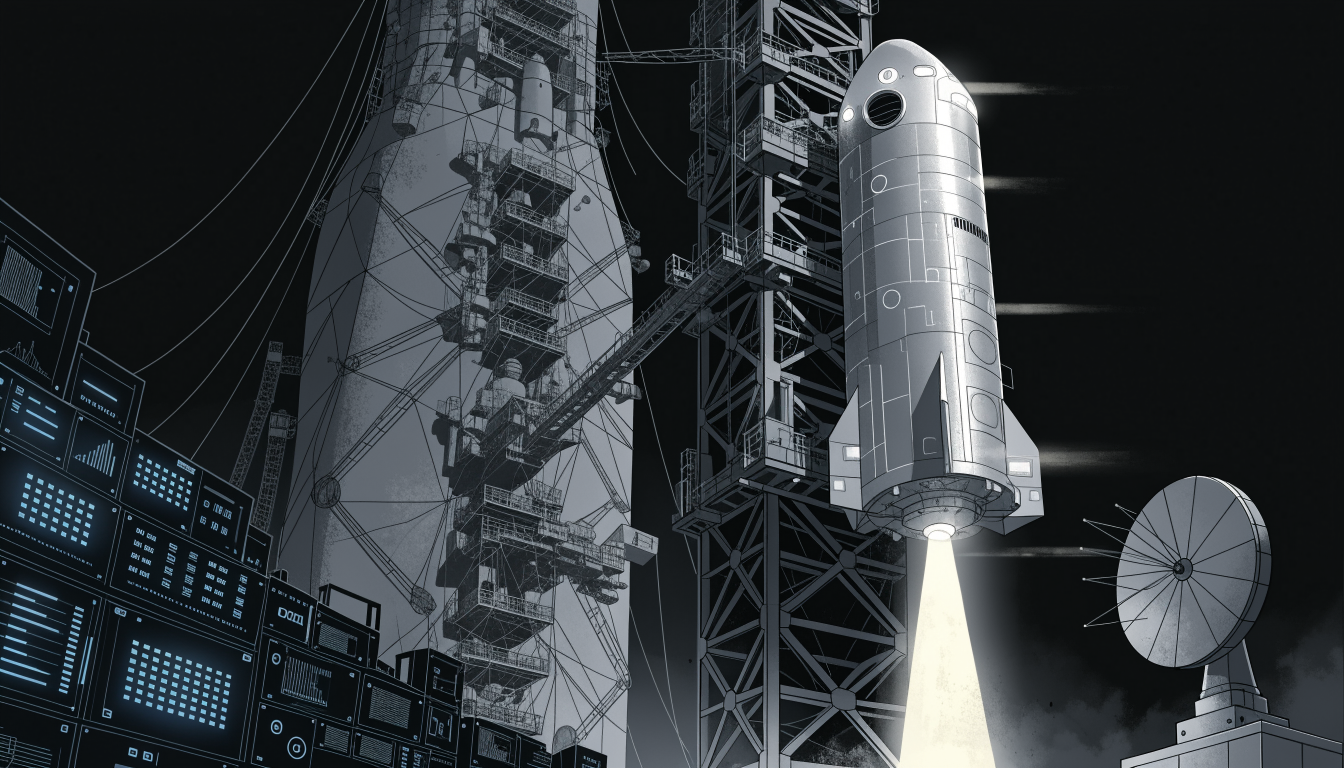
SpaceX caught the upper stage of its Starship megarocket with the launch tower's mechanical "chopstick" arms for the first time on Saturday (Nov. 14), a milestone the company described as a step change for reusability, though the flight's booster did not share the success.
A 22-hour flight ends in a soft catch
The Ship upper stage nestled into the tower's arms at SpaceX's Starbase site in South Texas on Saturday afternoon, about 22.5 hours after launching on the company's 15th Starship test flight on Friday (Nov. 13). SpaceX had previously caught its giant Super Heavy first stage three times, but had never before attempted to catch a Ship — a harder and riskier maneuver because the upper stage flies far higher and faster, making its return trip more involved.
"That was the holy grail of spaceflight, plummeting through fire to be snatched out of the air by steel," SpaceX spokesperson Dan Huot said during the company's landing webcast. "We caught a Starship, and now everything changes."
The flight had been billed as an attempt at the first full recovery of an orbital launch system, with SpaceX aiming to bring both stages back to the pad.
Booster catch aborted
The Super Heavy booster, designated Booster 22, returned to Earth minutes after liftoff as planned, but instead of flying back to the tower it veered offshore and detonated its flight termination system over the Gulf of Mexico. SpaceX spokesperson Dan Huot initially attributed the abort to a guidance issue.
During the company's Flight 15 webcast on Nov. 14, SpaceX's Kate Tice offered an update: "Early indications are that the booster ended its boostback [burn] early due to a low fuel mass alarm," she said. "The team is still investigating the root cause on that."
What comes next
According to SpaceX, the double-catch maneuver is intended to become standard on operational Starship missions, enabling rapid inspection, refurbishment and reflight of the vehicle. The company is targeting an ambitious launch cadence, with CEO Elon Musk having said SpaceX aims for 10,000 Starship launches per year by 2030 — a rate of more than one liftoff an hour on average.
The vehicle is central to SpaceX's plans to build far larger satellite constellations than those in orbit today, including a next-generation Starlink V3 broadband network.