science
Voyager 1 to Cross One Light-Day From Earth, a First for Any Spacecraft
NASA's farthest probe will reach the one-light-day mark on Nov. 18, 2026, a distance no other human-made object has traveled.
NASA's farthest probe will reach the one-light-day mark on Nov. 18, 2026, a distance no other human-made object has traveled.
The most distant human-made object will pass a milestone reached by no other spacecraft on Nov. 18, more than 16 billion miles away.
Astronomers traced mystery radio pulses to the first known white dwarf paired with a G-type star, a system 5,000 light-years away that also revealed storms on its companion.
Curtin University researchers say a dead star spinning once every eight minutes is sending out mysterious radio pulses from more than 5,000 light-years away.
Astronomers traced mysterious radio pulses to a white dwarf orbiting a G-type star 5,000 light-years away, the first such pairing ever detected.
Astronomers traced mysterious radio pulses to a white dwarf paired with a G-type star more than 5,000 light-years away, a first for the puzzling class of long-period transients.
A white dwarf spinning every eight minutes is emitting repeating radio pulses while circling a G-type star 5,000 light-years away, researchers report.
Two record-breaking quasars shone as brightly as a trillion Suns when the universe was just 670 million years old, ESA says.
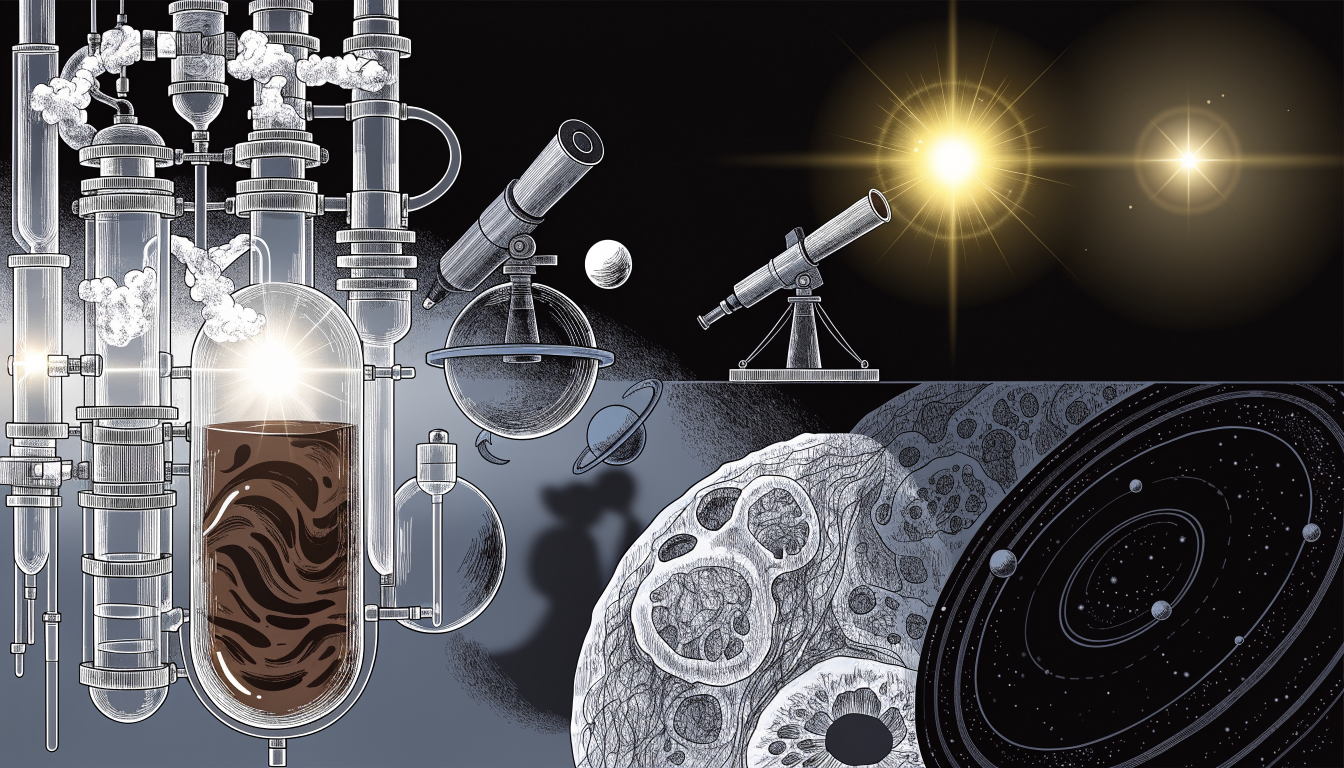
ESA's Euclid mission has documented 31 of the oldest quasars ever seen, two of which blazed like a trillion Suns when the universe was just 5% of its current age.

ESA's Euclid space telescope has documented 31 of the oldest quasars ever seen, including two dating to when the universe was just 5% of its current age.
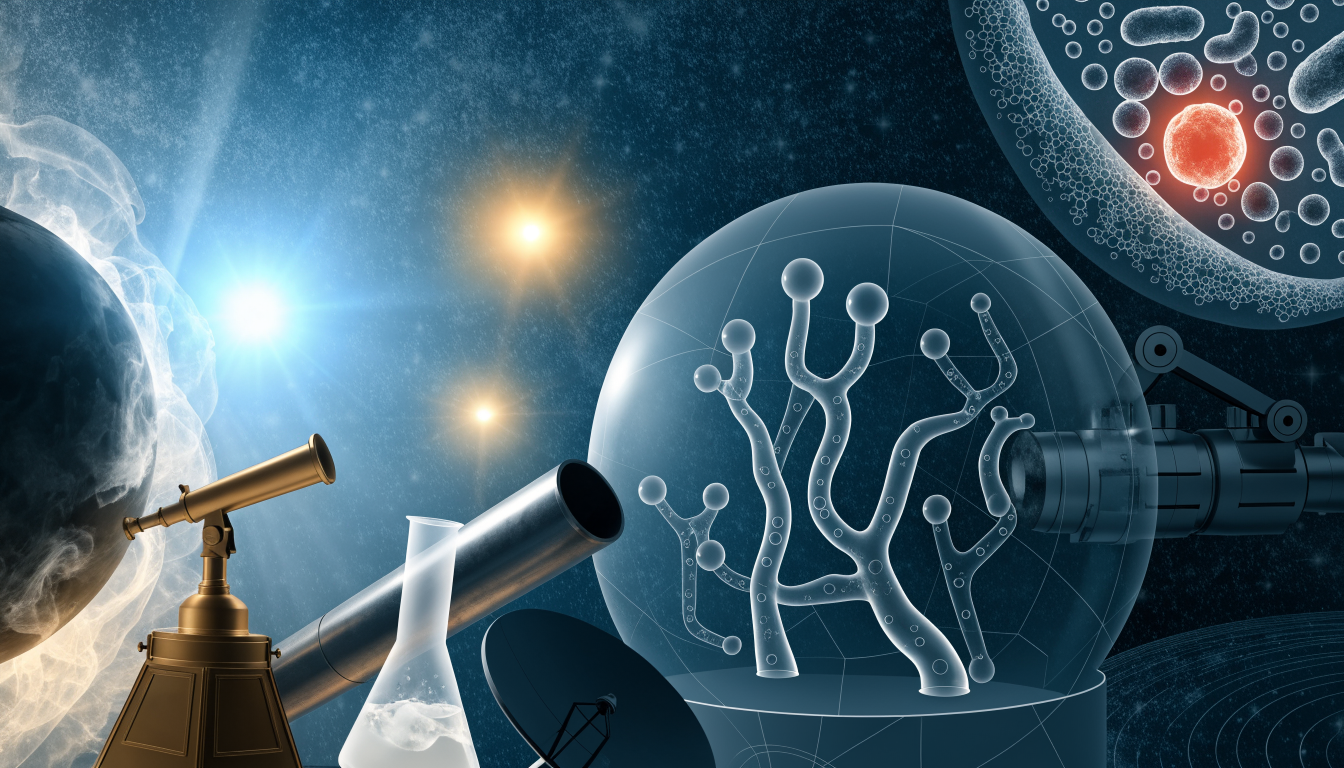
Two record-breaking quasars shone like a trillion Suns when the Universe was only 670 million years old, just 5% of its current age.
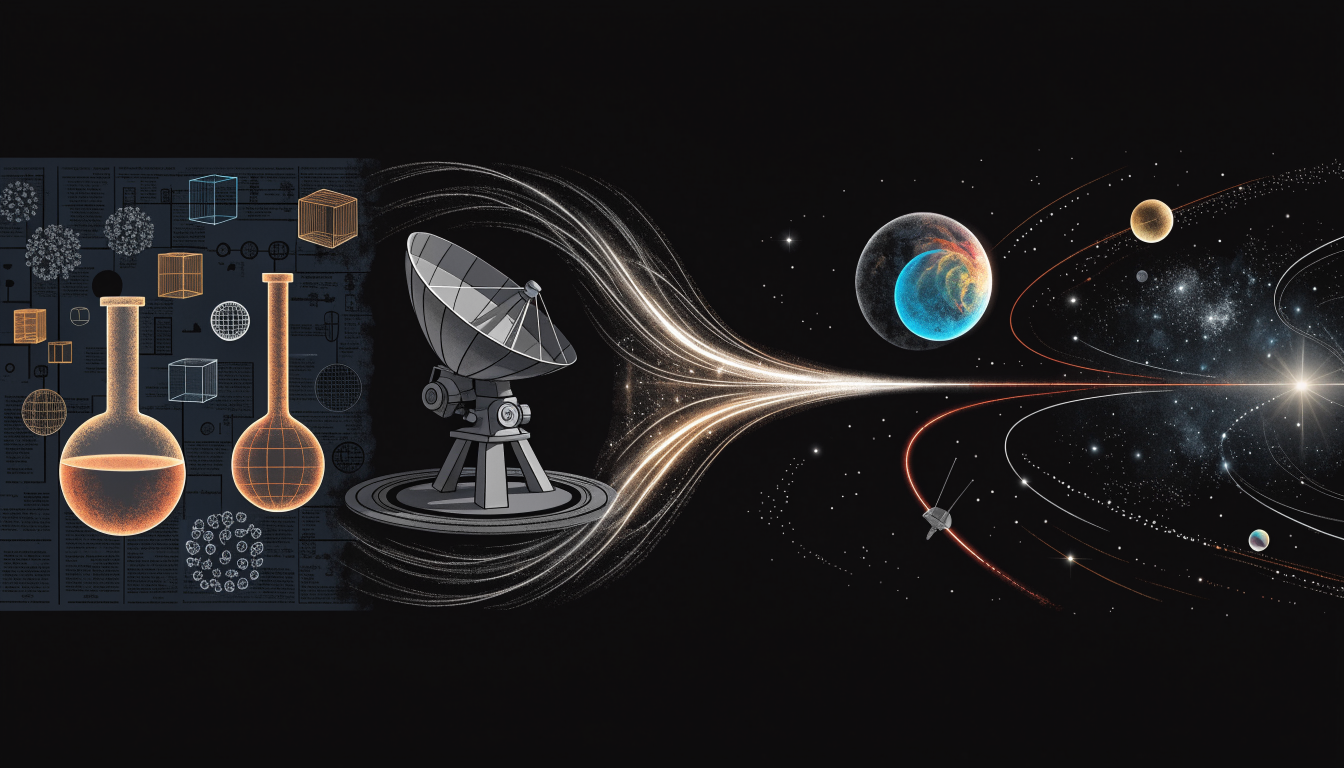
NASA says the 1977 probe will cross the 24-light-hour mark on Nov. 18, and it is inviting the world to salute it with a global wave of light.